
The short answer: yes, lots of them, but only for half the year.
From June to October, Cuc Phuong is one of the most leech-infested forests in northern Vietnam. But from November to April numbers drop sharply, and many people walk all day and see only a few.
The difference between the two seasons here is far bigger than in southern forests, and that is what should shape how you prepare.
Leech levels by month
| Time of year | Leech level | Notes |
|---|---|---|
| June – October | Most | Rainy season, high humidity, slippery trails |
| May and November | Transition | Varies by year, depending on rain |
| December – April | Very few | Dry and cool, insects less active |
This is also why travel guides recommend visiting Cuc Phuong in the dry season from November to April : it's beautiful, easy to walk and you don't have to worry about leeches.
April to May is butterfly season, the most beautiful time of year, and still within the low-leech period.
Why Cuc Phuong has so many leeches
Three factors add up, and understanding them helps you predict conditions in other forests too.
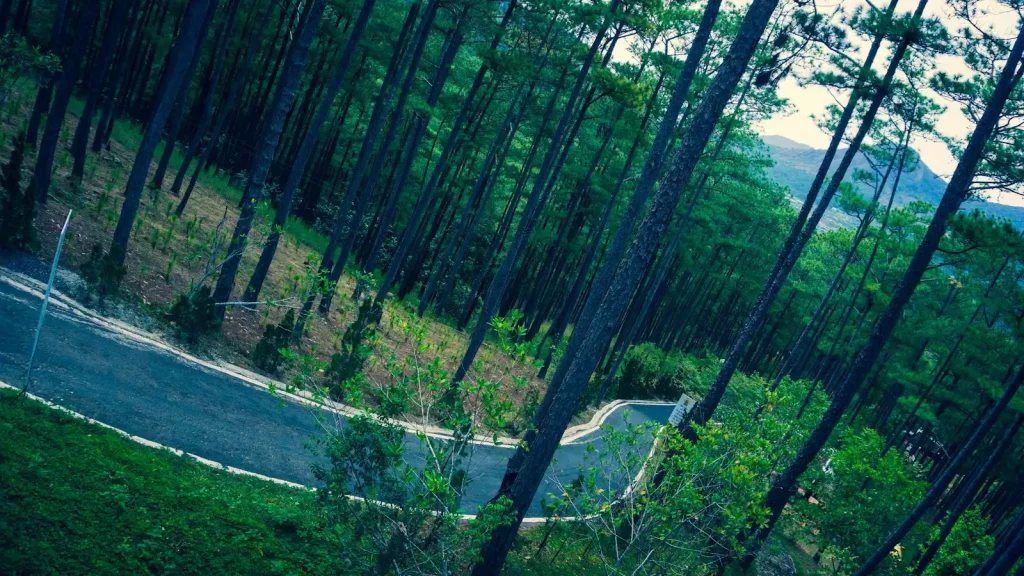
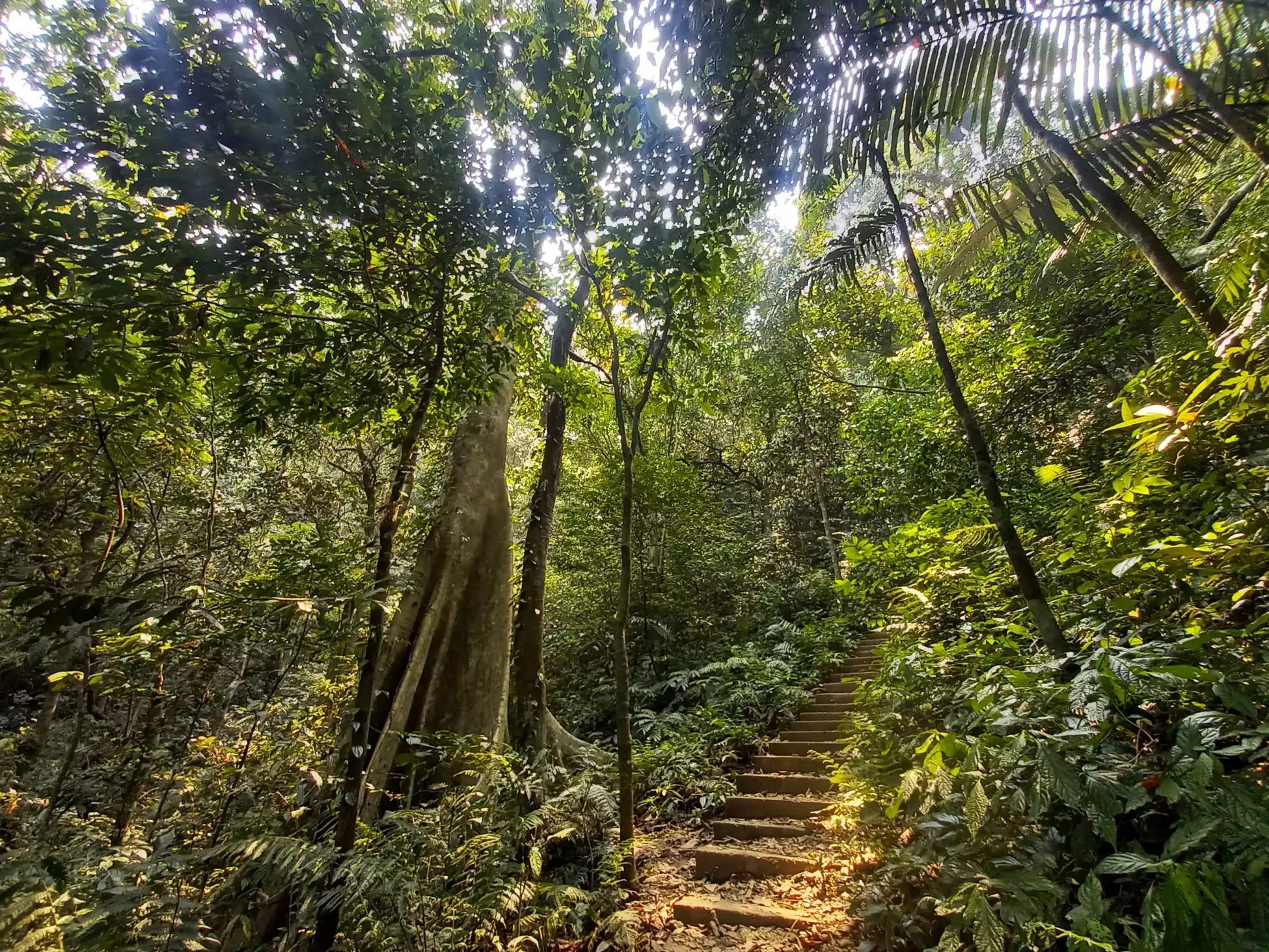
Multi-layered primary forest. Cuc Phuong is Vietnam's first national park, founded in 1962, with more than 22,000 hectares of undisturbed tropical rainforest. The closed canopy keeps the ground shady and the leaf litter thick, ideal leech habitat.
Low altitude. The highest peak in Cuc Phuong is only about 636m. Leeches are less active in the cold, so at this altitude nothing holds them back the way high mountains do.
Moisture-holding limestone. The karst terrain creates many crevices, hollows and pockets of standing water. Even when it isn't raining, these spots stay damp.
Where the leeches are in Cuc Phuong
Not everywhere is the same. The risk is concentrated in:
- The primary forest core : home of the thousand-year-old Cho trees, with the densest canopy
- Muddy, damp sections of trail in the deeper parts of the trekking routes
- Around streams and low-lying areas
- Areas near caves : the Cave of Prehistoric Man and Son Cung cave, where the rock walls hold moisture
By contrast, the paved road from the gate, the rescue center area and open clearings have almost none.
For trail runners in Cuc Phuong
Cuc Phuong is a popular venue for trail races, with many routes through the primary forest core. If you run here, three things are different from hiking.
Runners are easier targets. High body heat, heavy breathing that releases lots of CO₂ and plenty of sweat are all signals leeches detect from a distance.
Long distances pass right through the risk zone. 70–100km courses spend hours in the forest core, often including the night, when humidity rises.
The weather can surprise you. One out-of-season downpour before race day is enough for leeches to reappear in the forest core, even in the dry season.
Sensible preparation: a small bottle in your running vest pocket is enough. Spray your shoes and socks before the start; no need to carry a big bottle. In the dry season you may not need it at all, but it's light and takes very little space.
👉 See also: How to prevent leeches when trail running
Preparing for the rainy season (June – October)
If you visit Cuc Phuong in this season, prepare as you would for a truly leech-heavy forest.
Clothing is the first line of defense. Long trousers, high socks, trousers tucked into your socks. This is the most effective free measure.
Leech gaiters if you're going deep into the forest core. They're the best physical barrier.
Spray the right places. Leeches come up from the ground, so the order is: shoes → socks → trouser hems → ankles. Spray your arms and collar well if you'll be pushing through vegetation.
Check regularly. Stop every 30–45 minutes to check your legs and shoes. Catch them early and a flick is all it takes.
Choose the strength by trip length:
- Day treks (5–7km): Repel 40 (40% DEET) is enough
- Deep forest, multi-day trips: Repel 100 (98% DEET) gives longer protection. Adults 18+ only
- With children: BugX 30 (30% DEET)
A common misunderstanding, once more: a higher concentration isn't stronger, it lasts longer.
Mosquitoes all year round
Leeches have a season, mosquitoes don't. Cuc Phuong has a very dense insect population, and mosquitoes are most active in the early morning and late afternoon, exactly the best times for forest walks and birdwatching.
DEET and Picaridin both work on leeches and mosquitoes, so you don't need to bring two products.
If you're bringing a camera to photograph langurs or butterflies, note that DEET damages plastics and coatings. Consider Sawyer Picaridin for your hands, and keep DEET for shoes and socks.
If a leech bites
Three quick steps:
- Remove it with a fingernail. Slide your nail sideways into the small end (the mouth) to detach it. Don't pull hard.
- Wash with soap and press to stop the bleeding.
- Disinfect and bandage. Oozing blood for a few hours is normal.
Don't use salt, fire, medicated oil or alcohol to remove it : these make the leech regurgitate digestive fluid into the wound.
👉 See the full first aid guide
Rainy-season packing list
- Trekking shoes with good, non-slip grip
- High socks, plus a spare pair
- Long trousers, long-sleeved shirt
- DEET leech repellent
- Leech gaiters for the forest core
- Light rain jacket
- Bandages and antiseptic
- Bag to carry your trash out
👉 Full packing list for a 2-day, 1-night trip
👉 Not sure which to choose? See the quick comparison in Leech repellents explained.
Frequently asked questions
Are there many leeches in Cuc Phuong?
Yes, most from June to October. From November to April there are still some, but far fewer.
Do I need leech repellent in Cuc Phuong in December?
The chance of meeting leeches is very low. But if you go into the forest core or after unseasonal rain, it's still worth bringing a small bottle.
When is the best time to visit Cuc Phuong?
November to April is the dry season: easy walking and few leeches. April to May adds butterfly season.
Will I meet leeches trail running in Cuc Phuong?
It depends on the season. In the dry season the risk is low but not zero, especially on long courses through the forest core and at night. In the rainy season it's very likely.
Are the leeches in Cuc Phuong dangerous?
The bites are almost never dangerous. The real risk is infection from removing them the wrong way or scratching.
Related: