
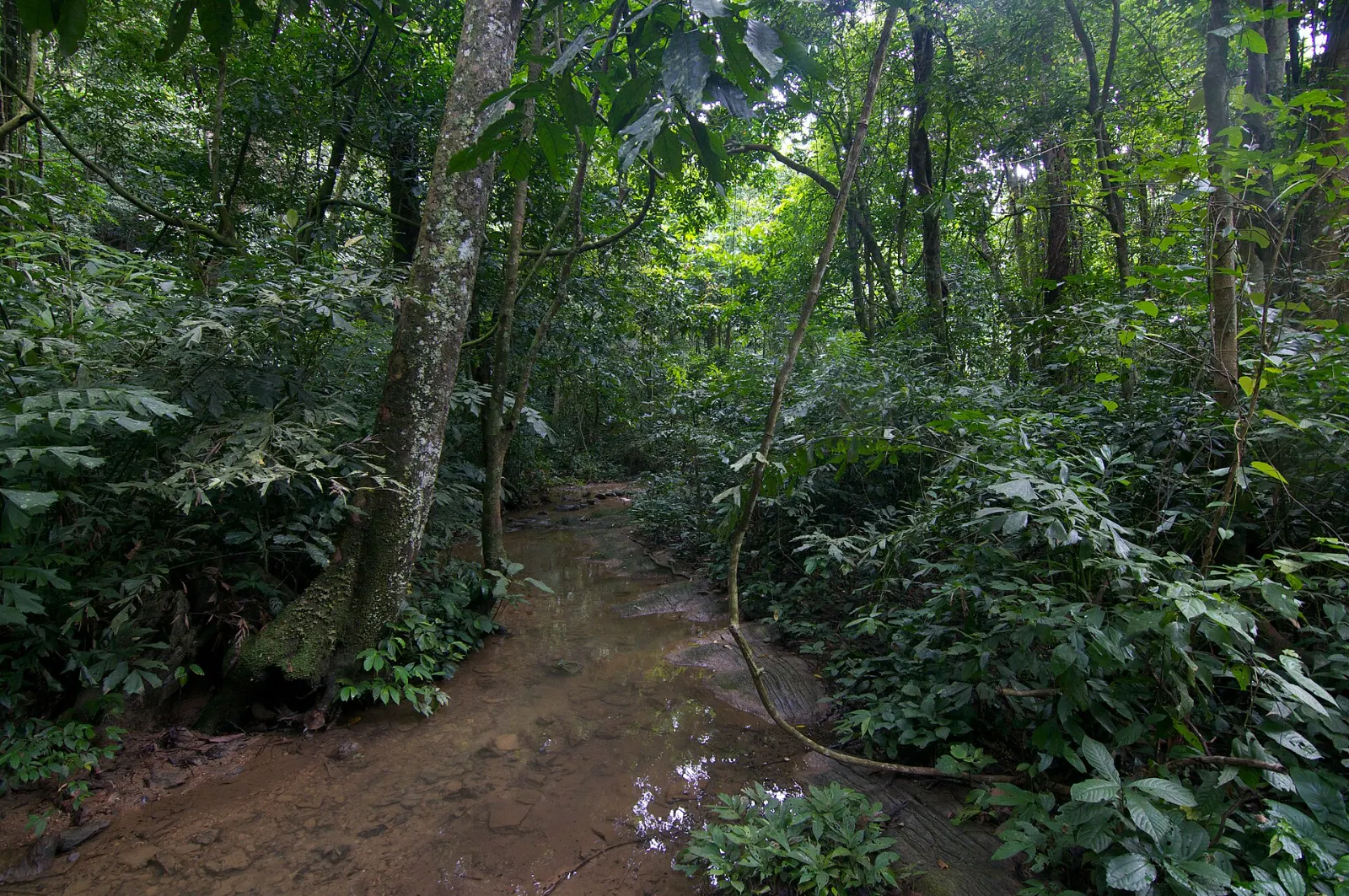
The dry season, roughly November to April, is the most pleasant time to trek Cuc Phuong and most forest routes in northern Vietnam. Trails are drier and less slippery, the weather is cool, and leeches are almost absent. It's also the season when beginners can enter primary forest without worrying about wading through mud or picking off leeches all day.
This article helps you pick a month, choose a route that suits your fitness, plan a 1-day or 2-day, 1-night itinerary, and prepare properly for the north's cold, damp weather. If you're going in the rainy season, also read Are there many leeches in Cuc Phuong? to see leech levels month by month.
Where is Cuc Phuong, and why go?
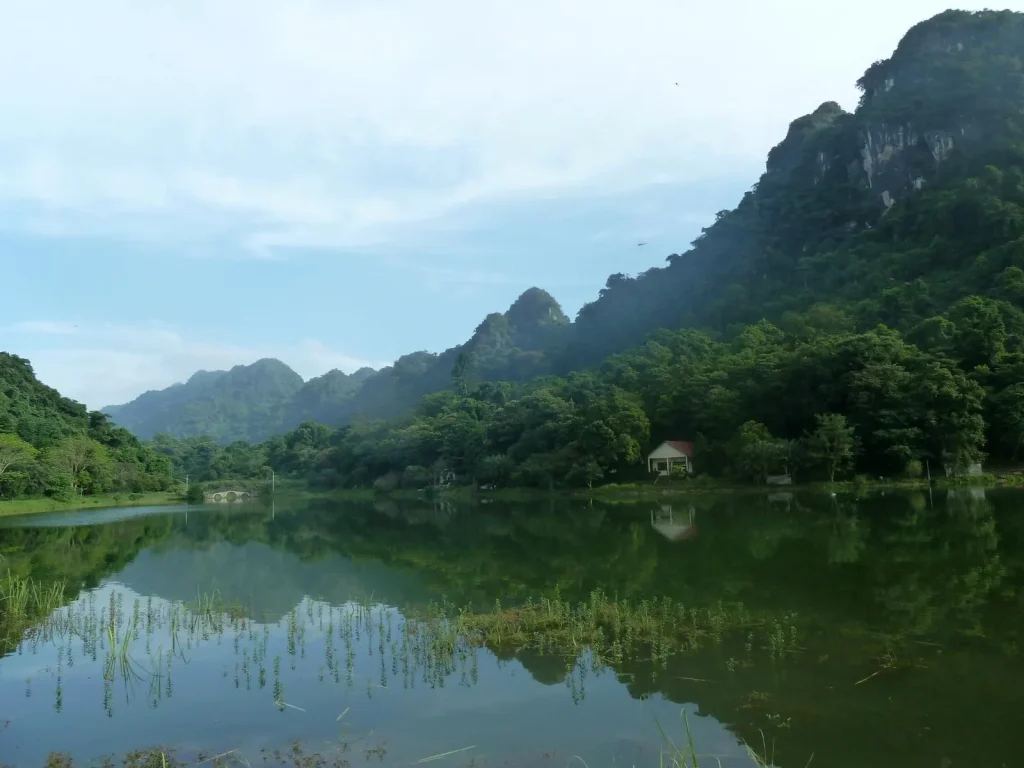
Cuc Phuong is Vietnam's first national park, established in 1962, on the border of Ninh Binh, Thanh Hoa and Hoa Binh provinces. It's about 100–120 km from Hanoi, a 2–3 hour drive depending on where you start. The park gate is on the Ninh Binh side, while the Bong area, where most deep trekking routes begin, is about 20 km from the gate along a small, winding paved road.
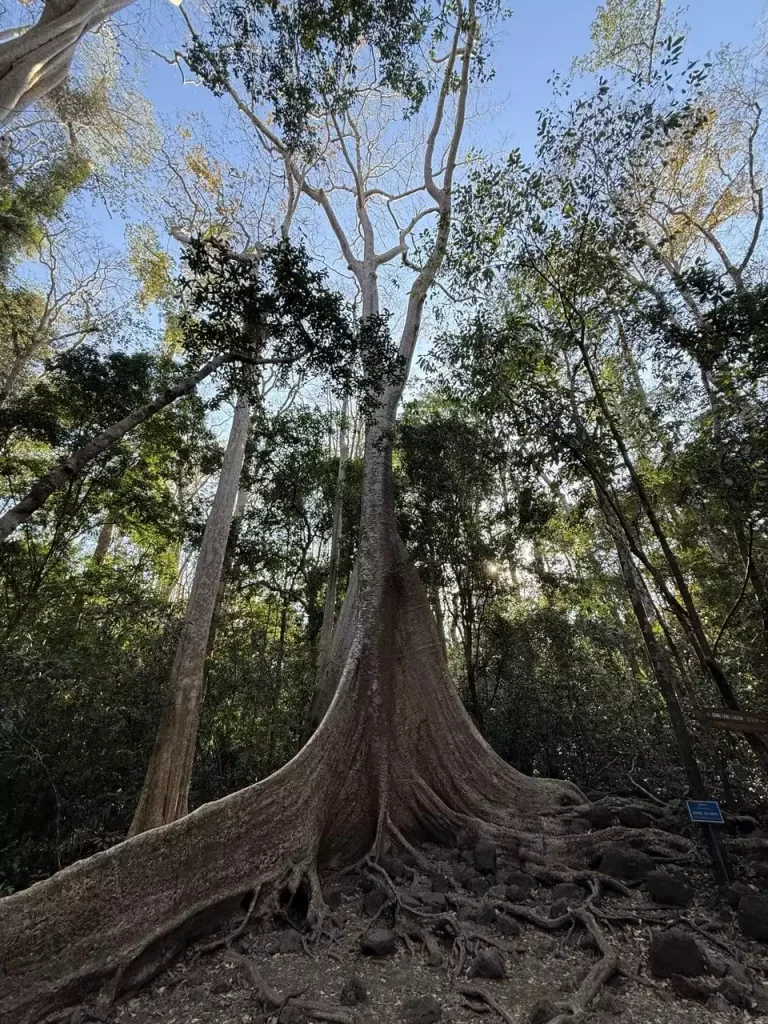
For trekkers, Cuc Phuong's appeal is primary tropical rainforest on limestone mountains, ancient trees hundreds of years old, caves with traces of prehistoric people, and rescue centers for primates, turtles and small carnivores. The terrain isn't high (May Bac peak is only 648 m), so it suits both beginners and those training before tackling the high peaks of the northwest.
Which months are the dry season in Cuc Phuong?
Northern Vietnam has no hot dry season like the south. Cuc Phuong's dry season coincides with winter and early spring, so its main features are cool to cold, few showers, but possible drizzle. Each period suits a different kind of trip:
| Time of year | Weather | Best for |
|---|---|---|
| November – December | Heavy rains over, clear and cool. Trails gradually dry out. | Best for long treks and climbing May Bac |
| January – early February | Coldest time of year, with severe cold spells. Lots of morning fog. | Day treks, photographing the misty forest. Camping needs warm gear. |
| February – March | Warming up but humid, with drizzle. Limestone and leaf litter are damp and slippery. | Short routes; you need grippy shoes. A few leeches may appear. |
| April | Warm and dry again. Butterfly season begins. | Family trips, butterfly watching. Very crowded around April 30. |
If you can only pick one window, choose mid-November to December: the most stable weather, before the deep cold, with dry trails and fewer visitors than butterfly season.
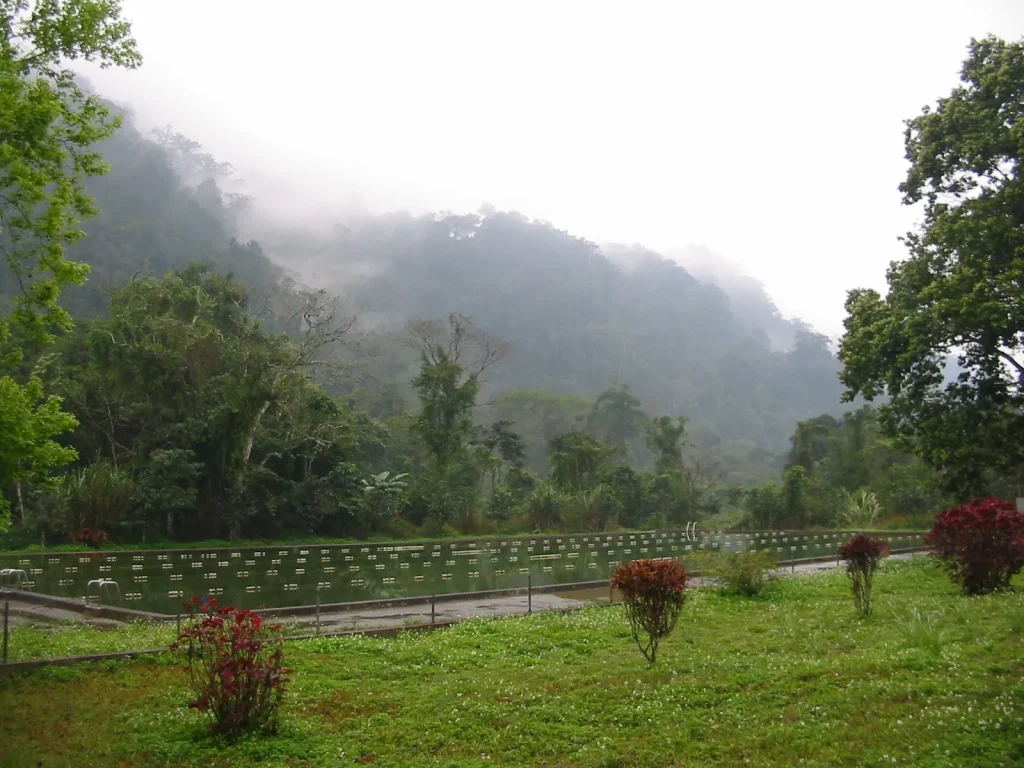
Cuc Phuong trekking routes by fitness level
The distances below are reference figures from travel sources and the press. Actual times depend on your pace and the weather on the day.
| Route | Distance, time | Difficulty |
|---|---|---|
| Cave of Prehistoric Man (traces of prehistoric people) | Under 1 km walk from the road, 30–60 minutes | Easy, with steep stone steps |
| Thousand-year-old Cho tree (from the Bong area) | About 3–5 km, 1.5–3 hours | Easy to moderate |
| Khanh village (a Muong village) | About 5–7 km, 2–3 hours | Moderate |
| May Bac peak (648 m) | About 6 km, about 5 hours. Starts at 8:00 from the Bong area. | Hard, a park guide is mandatory |
| Multi-day forest crossing (toward Ngoc Son – Pu Luong) | 2–3 days | Hard; requires a tour operator and a permit |
A few general rules: stay on signposted trails, don't enter the core zone without permission, and aim to leave the forest by about 16:30. Winter days are short, and it gets dark even faster under the canopy.

Suggested itineraries
Day trip from Hanoi
- 6:00 leave Hanoi, reach the park gate around 8:30–9:00 and buy tickets.
- 9:00 visit the Endangered Primate Rescue Center near the gate (about 1 hour).
- 10:30 drive 20 km to the Bong area and trek to the thousand-year-old Cho tree.
- 13:30 lunch and rest at the Bong area.
- 15:00 on the way out, stop at the Cave of Prehistoric Man if you still have energy.
- 16:30 leave the park, back in Hanoi around 19:00–19:30.
2 days, 1 night
- Day 1: Rescue center, Cave of Prehistoric Man, check in at the Mac Lake area or the Bong area. In the evening you can book the park's night wildlife tour if the weather allows.
- Day 2: climb May Bac peak with a guide, starting at 8:00. For something lighter, walk to the thousand-year-old Cho tree and then Khanh village. Head back in the afternoon.
The Bong area only has generator power for a few hours in the evening, so bring a power bank and a headlamp. The full packing list for an overnight trip is in our article what to pack for a 2-day, 1-night trek.
Preparing for the north's damp cold
This often catches trekkers from the south by surprise: the temperature isn't very low, but high humidity and wind make it feel much colder, especially when you stop to rest after a sweaty climb.
- Wear several thin layers: a quick-dry base layer, a thin fleece or wool layer, and a waterproof windbreaker on top. Avoid cotton: once it's soaked with sweat you'll get cold immediately.
- Shoes with good grip: mossy limestone and leaf litter are very slippery in drizzle. This is the most important item of the trip.
- High socks, long trousers: they keep you warm and act as a barrier against leeches, ticks and insects.
- Thin gloves, wool hat: needed if you're camping or going in January.
- 1–2 liters of water: you still lose water climbing in the cold; you just feel less thirsty.
- Headlamp: it gets dark around 17:30, earlier than in the south.
Are there still leeches in the dry season?
Yes, but very few. Leeches need moisture and warmth. From December to April most days in Cuc Phuong are dry and cold, so leeches are almost inactive. The exceptions are days after drizzle in February–March, damp stream gullies and valleys with thick leaf litter. Mosquitoes and ticks are around all year in grass and along streams.
So the dry season doesn't need the heavy preparation of the rainy season, but don't skip protection entirely:
- Spray shoes, socks, ankles and trouser hems before entering the forest, then any exposed skin. Detailed spraying steps are in our usage guide.
- For dry-season day treks, a moderate concentration is enough: Repel 40 (40% DEET) protects for up to 6 hours, and the large bottle can be shared by the whole group.
- For multi-day forest crossings, or when drizzle is likely: Repel 100 (98% DEET) protects for up to 10 hours, or the pocket-size Repel 100 30ml bottle for trail runners. Adults 18 and over only.
- With children: BugX 30 suitable for children from age 2, Sawyer Picaridin 20% suitable for children over 2 months per the label. Picaridin also won't damage watches, glasses or plastics.
If a leech does latch on, see how to remove it and stop the bleeding in what to do after a leech bite.
Costs and practical information
| Entrance ticket | About 60,000 VND per adult. Discounts for students and children. Keep your ticket, as it may be checked at stations inside the park. |
| Parking, camping | According to VnExpress (April 2024): car parking 20,000 VND, overnight camping 50,000 VND per person. |
| Accommodation in the park | The park gate area, the Mac Lake area (about 1.5 km from the gate) and the Bong area (about 20 km from the gate, near the trekking routes). |
| Guides | Mandatory for May Bac peak and the core zone. Book in advance with the park; fees are separate from the ticket. |
| Road to the Bong area | 20 km of narrow, winding paved road. Drive slowly, especially on foggy mornings. |
Ticket and service prices may change, so call the Cuc Phuong National Park Management Board to confirm before you go.
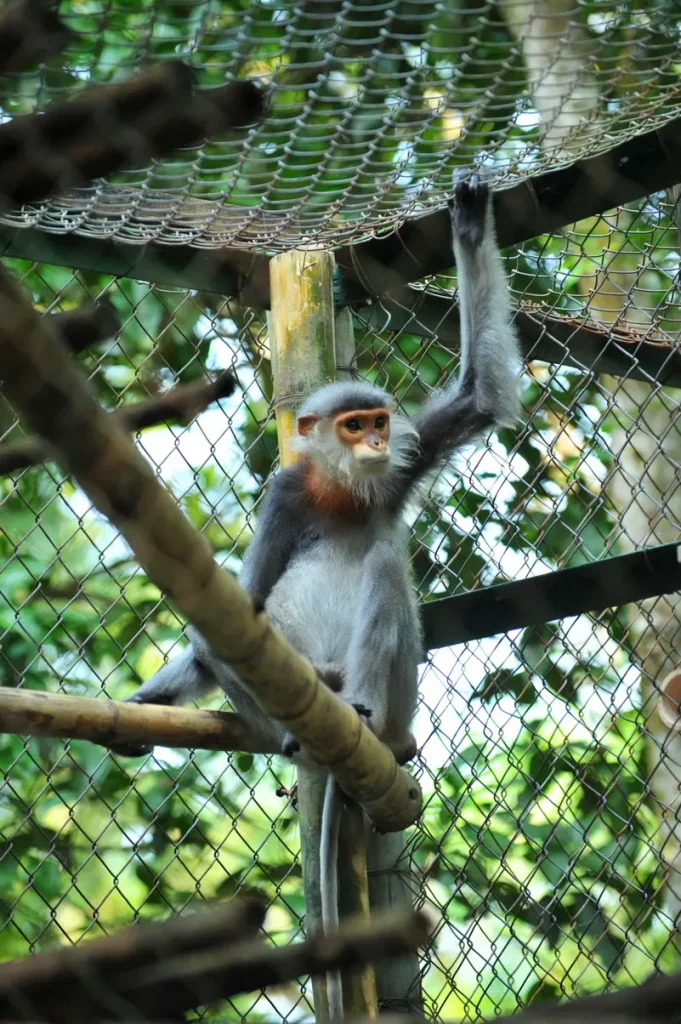
The dry season is trekking season across the north
From about November to April, many northern forest routes are at their easiest. If Cuc Phuong is your warm-up trip, you can follow it with Pu Luong, which also has damp forest and leeches in the rainy season but dries out from the end of the year. Trail runners should also read leech prevention for trail running, because Cuc Phuong is one of the few trail routes in Vietnam that actually runs through leech forest.
To see where leeches are heavy this month, check the leech calendar by destination from Protect Saigon.
Frequently asked questions
What's the best month to trek Cuc Phuong?
November to April is the dry season and the easiest time. Mid-November to December has the most stable weather for long routes like May Bac. April–May is butterfly season: beautiful but crowded.
Do I need a guide to trek Cuc Phuong?
Short signposted routes like the Cave of Prehistoric Man and the thousand-year-old Cho tree can be done on your own. May Bac peak and routes into the core zone require a park guide.
Do I need leech repellent for Cuc Phuong in the dry season?
Leeches are very few but not gone entirely, especially after drizzle in February–March. Mosquitoes and ticks are around all year. A moderate-strength spray like Repel 40 is enough for a day trek.
Can I do Cuc Phuong as a day trip from Hanoi?
Yes, if you leave early, around 6:00. You can visit the rescue center and the thousand-year-old Cho tree route and be back in Hanoi by evening. To climb May Bac, stay overnight, since that route starts at 8:00 from the Bong area.
Is camping in Cuc Phuong cold in winter?
Yes. Nights from December to February can be very cold and damp. Bring a warm enough sleeping bag, an insulating pad for the tent, a wool hat and dry clothes to change into in the evening.
References
- VnExpress — 48 hours in Cuc Phuong (19/4/2024)
- Nghe An Newspaper — Conquering May Bac peak: 5 hours of trekking to the roof of Cuc Phuong (30/12/2025)
- Viet Nam News — Chasing clouds on the roof of Cuc Phuong National Park (31/12/2025)
- Wikipedia — Cuc Phuong National Park